

TAG leads the architecture of systems, talent, and performance. AIM strengthens brand, positioning, and market visibility. BIG brings financial clarity, funding readiness, and decision discipline. Together, they help leaders build organizations that are clearer, stronger, and more scalable.
Our purpose
Most leaders are not failing because they lack effort, intelligence, or commitment. They are failing because the systems shaping behavior, decisions, focus, and execution are invisible.

"Performance does not break because people stop caring. It breaks when the system no longer makes the right work visible, repeatable, and governable."
TAG helps leaders design and govern the systems, talent conditions, and leadership rhythms that turn effort into consistent, measurable performance. We respond directly to the structural gaps identified above — making the invisible visible so leaders can govern the conditions that shape results.
We make work, decisions, standards, and information flow visible so leaders can reduce friction and govern execution.
We help leaders build capability, trust, learning, and accountability inside the systems where people actually work.
We design the rhythms, measures, and leadership conditions that make performance more consistent and less dependent on heroics.
These three disciplines work together. Systems without talent development become bureaucratic. Talent development without clear systems creates inconsistency. Performance improvement without both systems and talent development is unsustainable. TAG integrates all three.

TAG believes performance thinking shouldn't stop at the walls of an organization. The same systems, capability, and conditions that help leaders and teams thrive can open doors for kids who don't have access to organized sports.
We commit a minimum of 5% of TAG's pretax profit every year — and more in the years we're able to — to help underprivileged children get involved in sports: removing barriers to participation, building capability, and creating pathways to athletic opportunity.
When systems are designed well, when talent is developed, and when performance conditions are clear, people thrive. Sports participation teaches discipline, teamwork, resilience, and systems thinking — the same principles we bring to every organization we work with.
Our commitment extends TAG's philosophy beyond organizations into communities.
Performance does not improve in isolation. TAG, AIM, and BIG are three connected disciplines moving in formation. Each brings distinct capability. Together, they create the conditions for sustainable growth and predictable execution.
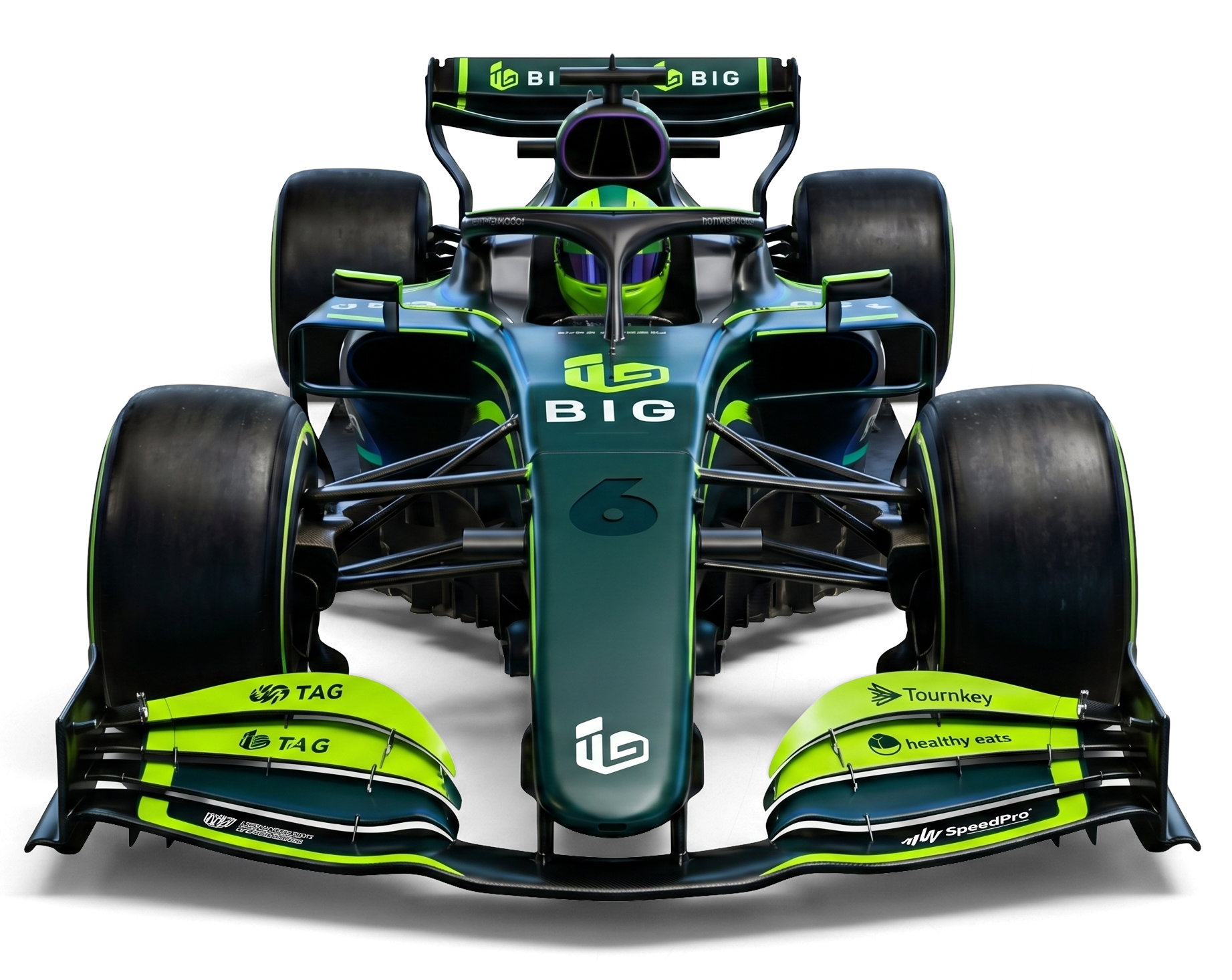
We help leaders design the systems, talent conditions, and leadership rhythms that turn effort into consistent, measurable performance.
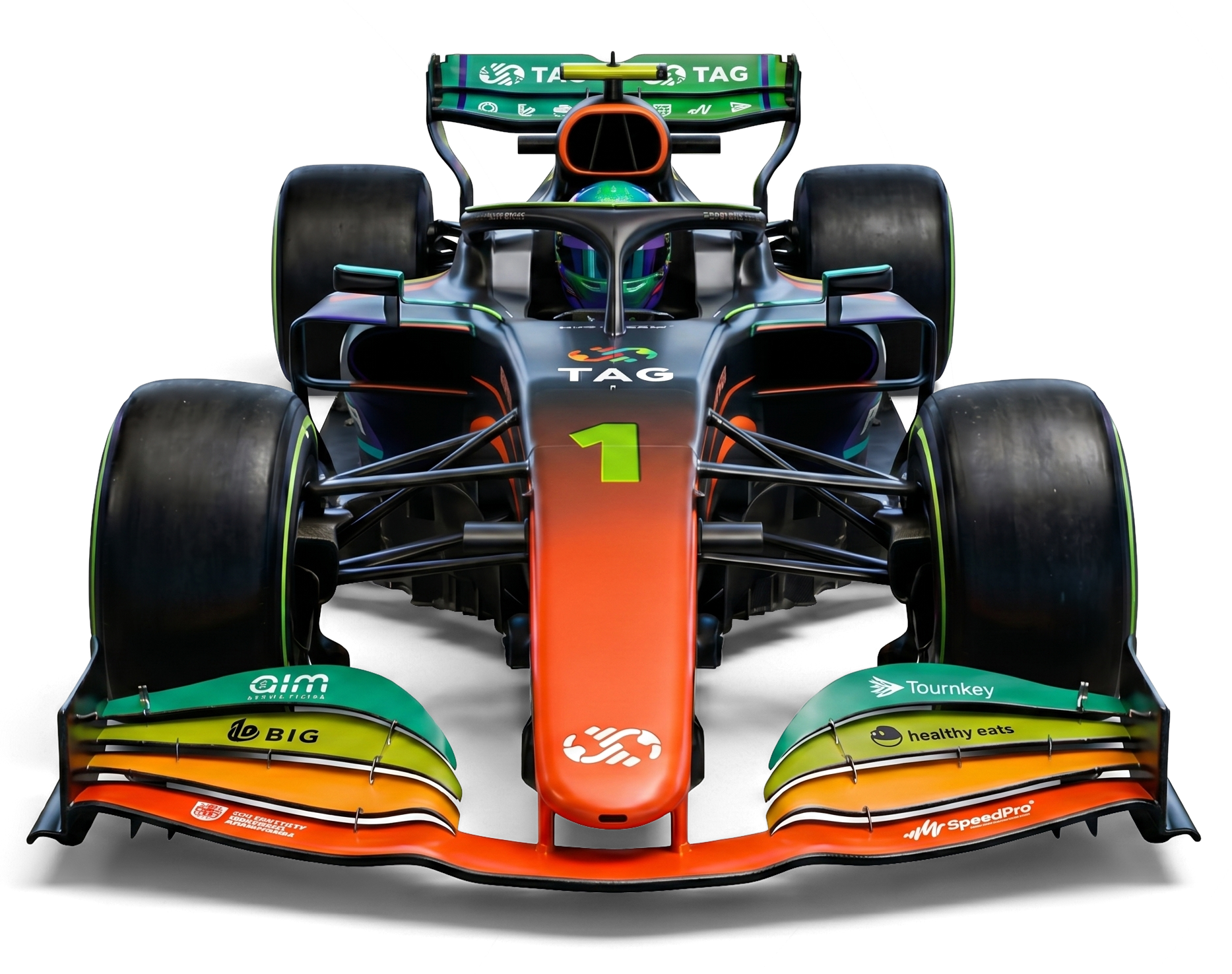
We help organizations clarify their brand, positioning, messaging, and visibility systems so the right market understands why they matter.
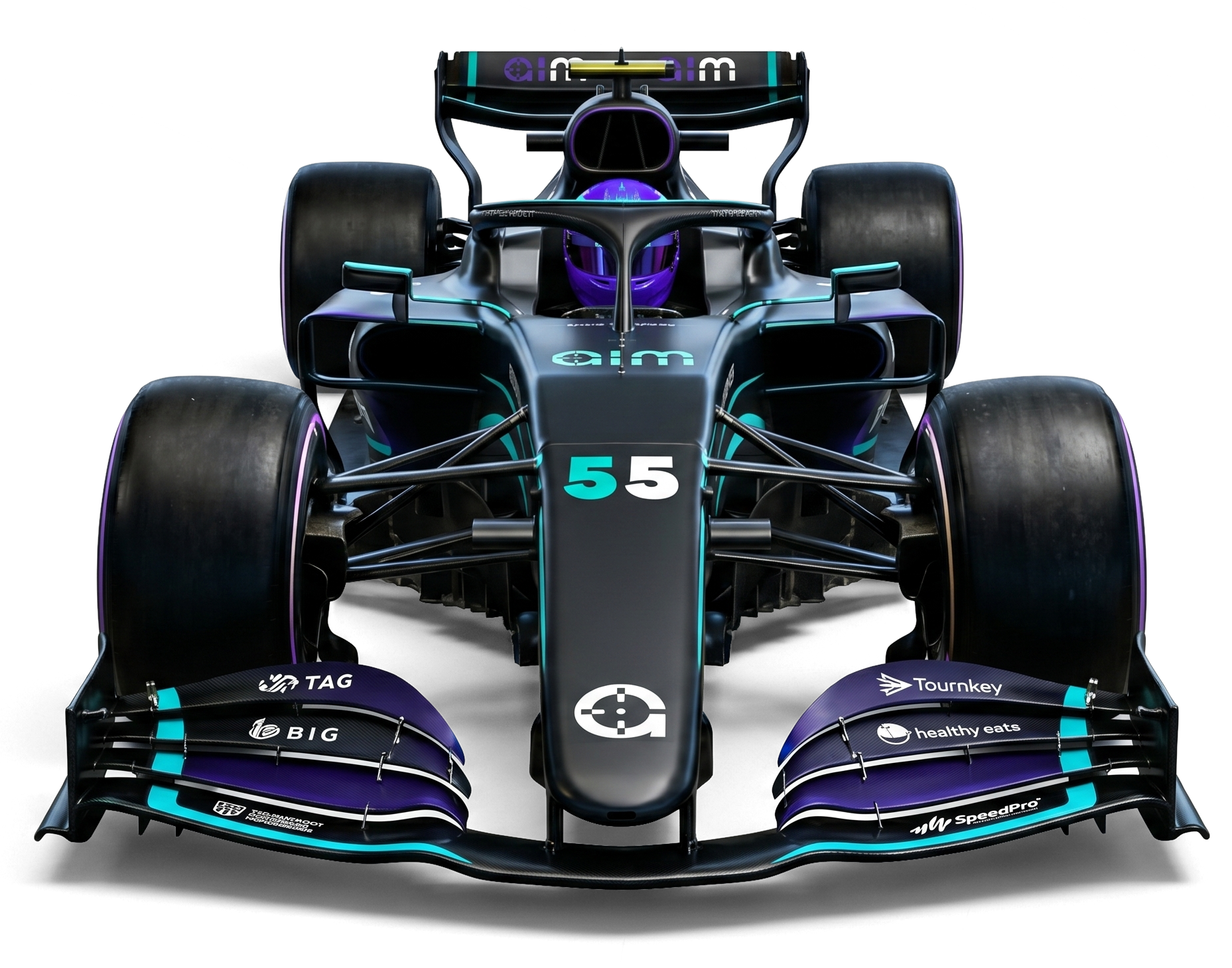
We help leaders build financial clarity, funding readiness, and decision systems that support confident growth and scale.
When you work with TAG, you don't get handed a slide deck and an invoice. You get architects and integrators who stay in the work with you — mentoring your people, educating your teams, advising your leaders, coaching through the hard parts, and training until the new way of working actually sticks. That's what MEACT means. Our specialists design your systems, build your team's capability, and make sure integration happens inside your organization, not just on paper — because real performance improvement takes more than advice. It takes disciplined design, sustained commitment, and capability built to last long after we've gone.

Abby Shirazi
Brand Builder
Clarifies your positioning and message so the right clients understand why you matter.

Brenda Saari-O'Neill
Talent Specialist
Specializes in developing women leaders — building the confidence and capability that turn potential into thriving careers.

Chris Charlebois
Founding Partner
A sport & event business specialist known as "TourneyProf" with a decade of experience running major events.
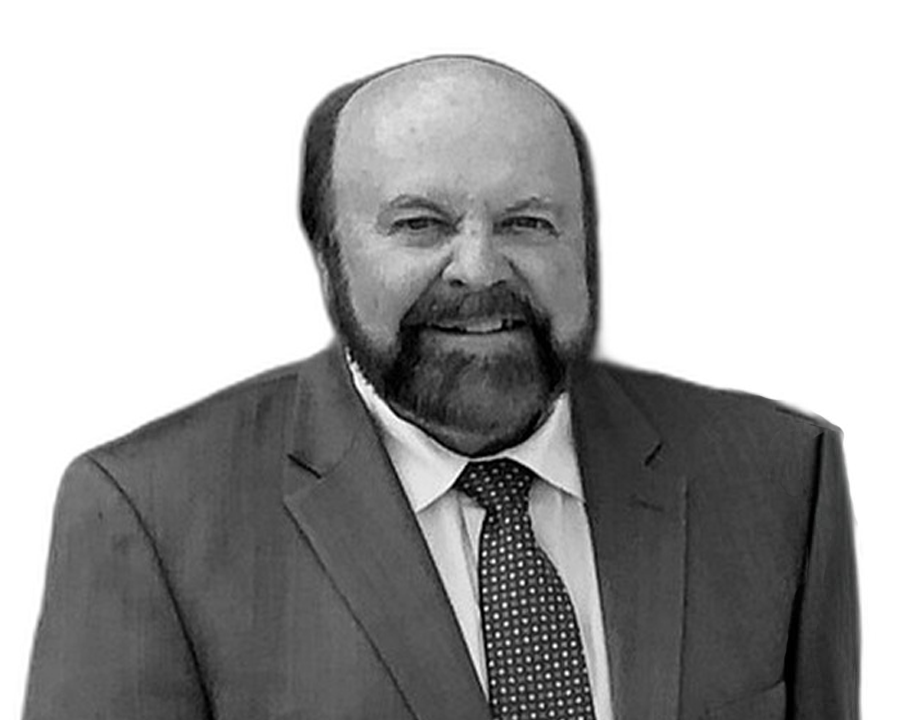
Dave Minchin
Founding Partner
Ensures back-of-house talent thrives in their roles with our clients.
Dave Minchin
Founding Partner
LinkedIn not available

Julian Grisales
AI Systems Design
Builds the AI-powered automation that turns manual work into repeatable systems.

Orianna Gazzaneo
Financial Enablement
Brings financial clarity and funding readiness so growth decisions are made with confidence.

Paul Poirier
Founding Partner
A systems, talent, and performance architect working with clients at the strategy level.

Samuel Nwafor
Systems Integration
Takes TAG's strategies and turns them into working reality for clients.
Our Philosophy
The Key Distinction
Not this
Not blaming people — which is a futile and demoralizing exercise.
But this
But not accepting underperformance or resistance to necessary change — which is organizational suicide.
This is the reality of change. It requires clarity about human nature. And it requires leaders who understand their responsibility to protect the whole.